Community
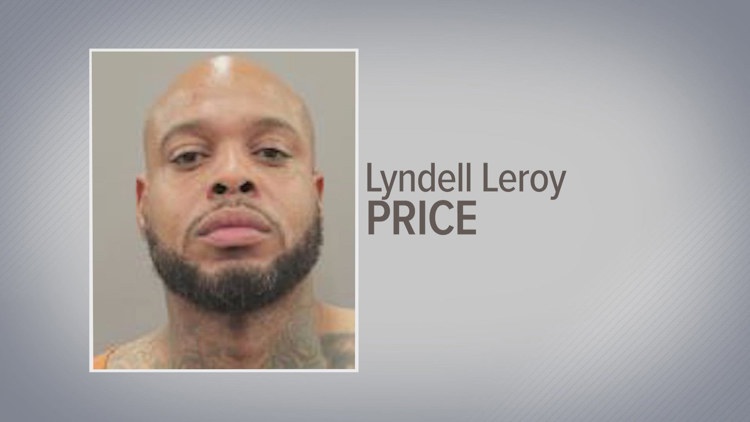
Former Turkey Leg Hut owner sentenced to more than 8 years in federal arson case
By Lila Mendez
Advertisement · Why this ad?
Lila Mendez has spent over 15 years in local journalism, honing her skills at the Houston Chronicle and NPR’s Houston affiliate. A graduate of the University of Houston, she excels in connecting with the community and has a knack for unearthing stories that highlight the diverse voices of Houston's neighborhoods.
More from Lila →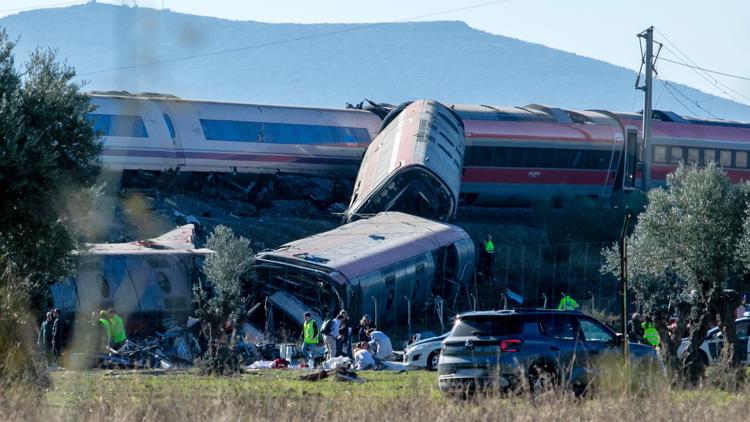
On a warm Wednesday afternoon in Spain, the tranquil sound of trains gliding along the tracks was shattered by a catastrophic event that would change lives forever. As families prepared for their journeys, the high-speed train, known for its punctuality and safety, collided with a stationary train, leading to a tragic scene that left at least 68 people dead and many more injured. The news reverberated across the globe, touching hearts and sparking conversations about safety and the fragility of life.
The incident occurred on a busy rail line, a critical artery for both local and international travel. At approximately 3:30 PM local time, the high-speed train, traveling at a significant velocity, struck the rear of another train that had inexplicably come to a halt on the tracks. This collision resulted in the derailment of two cars, causing chaos and confusion among passengers.
Emergency services rushed to the scene, battling against time to rescue those trapped in the wreckage. Eyewitness accounts describe a scene of panic, with people screaming and trying to help one another amidst the debris. The Spanish government quickly mobilized resources, deploying firefighters and medical teams to the site, but the damage had been done.
Authorities reported that among the deceased were men, women, and children, each with their own stories, dreams, and families waiting for them at home. The tragedy has been met with an outpouring of grief, not only in Spain but across the world, as communities come together to support one another in the aftermath of this horrific event.
In the wake of the train crash, communities both near and far are grappling with the loss. Vigils have sprung up in various cities, with people lighting candles and sharing memories of loved ones who were lost. Social media platforms have been flooded with messages of support, prayers, and condolences, illustrating the profound impact this tragedy has had on the collective consciousness.
Local leaders have expressed their sorrow, with many calling for an immediate investigation into the circumstances surrounding the crash. The mayor of the affected town stated, “We are heartbroken. Our thoughts and prayers are with the families of those who lost their lives.” This sentiment was echoed by leaders across the nation, highlighting the unity that often emerges in times of crisis.
In cities like Madrid and Barcelona, large gatherings have taken place, with thousands attending candlelight vigils to honor the victims. Community members have shared personal stories, recounting moments spent with those who perished in the crash. “We are here to remember not just the tragedy, but the lives that were lost,” said a local resident at a vigil. “Each candle represents a story, a family, a future that was taken away.” These gatherings have become a source of solace, allowing people to come together in shared grief.
Among the victims was a beloved teacher, Maria Sanchez, who was on her way to a conference to inspire fellow educators. Friends describe her as a beacon of light, always encouraging others to pursue their dreams. “She believed in the power of education,” said one colleague, tears in her eyes. “Her loss is a tremendous blow to our community.”
Another victim, Javier Lopez, was a father of three, known for his dedication to his family and his work. His wife, Ana, is left to navigate the aftermath of this tragedy alone. “He was my rock, my everything,” she shared, her voice breaking. “I don’t know how to move forward without him.” These personal stories remind us that behind every statistic is a human life, filled with love and aspirations.
This tragic event raises critical questions about transportation safety in Spain and beyond. As investigations begin, experts are calling for a thorough examination of safety protocols and emergency response systems. The Spanish rail system, known for its efficiency, is now under scrutiny as families demand answers and accountability.
In Houston and other cities, the implications of this tragedy resonate deeply. Many residents rely on public transportation for their daily commutes, and the thought of such a disaster occurring closer to home is unsettling. Community leaders are urging local transportation authorities to review safety measures and ensure that such a calamity does not happen again. “We need to take this as a wake-up call,” said a local council member. “Safety must be our top priority.”
In response to the tragedy, Houston's city officials have announced plans to hold a series of public forums aimed at discussing public transportation safety. These forums will involve community members, safety experts, and transportation officials to collaboratively address potential vulnerabilities in the current system. “It’s essential that we learn from this tragedy,” said the city’s transportation director. “We owe it to the victims and their families to ensure that our systems are as safe as possible.”
In light of the recent tragedy, various organizations are stepping up to provide support for those affected. The Red Cross has mobilized teams to offer counseling and assistance to families grieving the loss of loved ones. They provide a vital lifeline during times of crisis, helping individuals navigate the emotional and logistical challenges that arise in the aftermath of such events.
In Houston, local churches are also organizing prayer services and support groups to help community members process their grief. These gatherings serve as a reminder that even in the darkest of times, there is strength in unity and faith. “We must come together to support one another,” said Pastor Luis, leading a prayer vigil. “Our community is resilient, and together we will heal.”
For those struggling with grief, organizations such as the National Alliance for Grieving Children and NAMI provide valuable resources. These groups offer workshops, counseling, and peer support networks to help individuals navigate their emotions during this challenging time. “It’s important to know that you’re not alone,” said a grief counselor. “There are people and resources available to help you through this.”
As the investigation unfolds, the focus will shift towards ensuring that similar incidents are prevented in the future. Transportation authorities will likely implement new safety measures, and there may be calls for legislative action to enhance regulations surrounding rail travel. The hope is that lessons learned from this tragedy will lead to a safer environment for all travelers.
For the families impacted by this disaster, healing will take time. The road ahead may be long and filled with challenges, but the support from their communities will be crucial. As we reflect on the lives lost and the families forever changed, we are reminded of the importance of cherishing our loved ones and advocating for safety in all aspects of life.
By Lila Mendez

By Lila Mendez

By Tasha Williams
By Lila Mendez