
Schools
15-year-old killed near Westfield High School during argument, sheriff says | Search for shooter continues
By Marcus Chen
KHOU 11 (Houston)
Advertisement
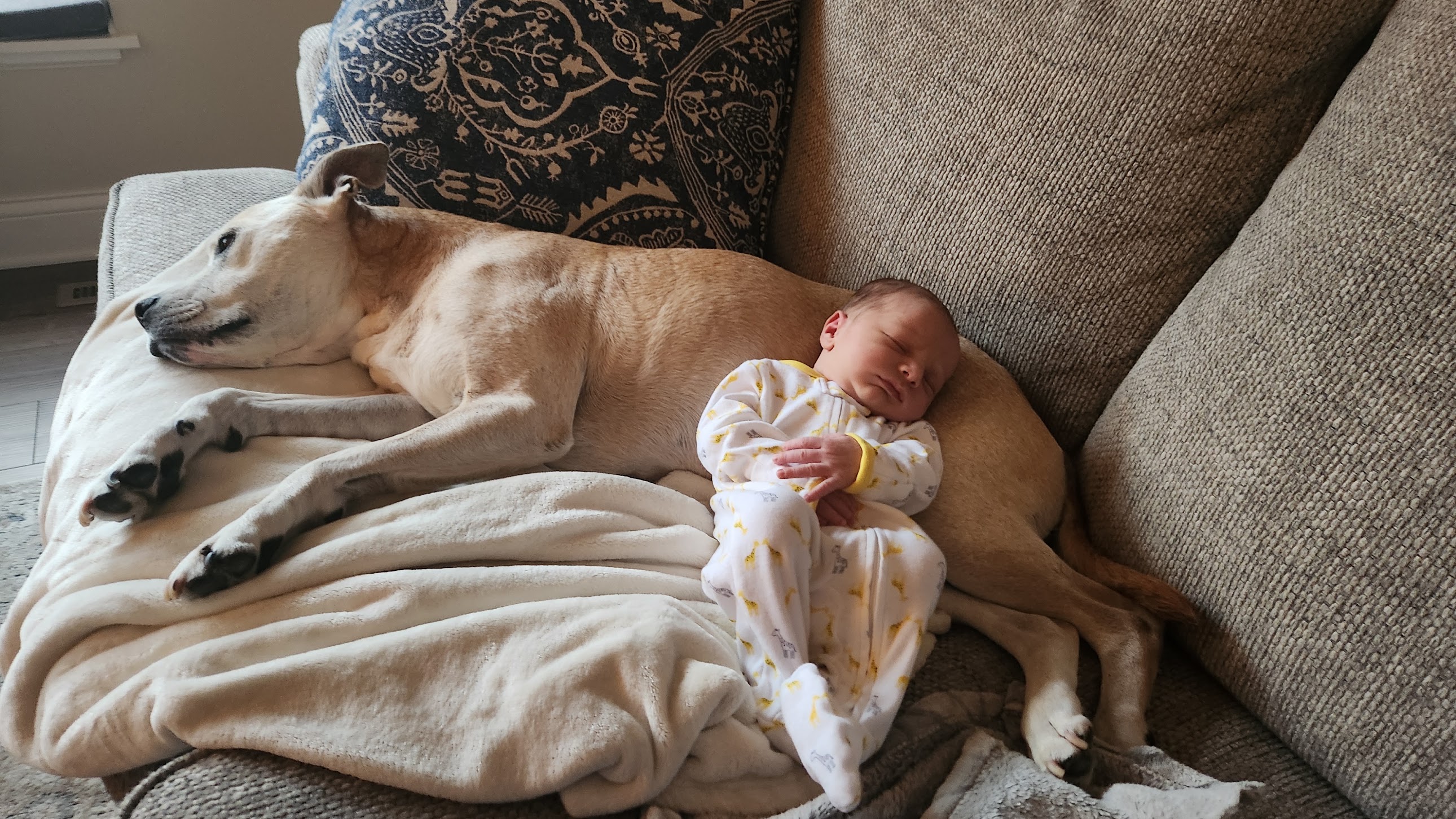
If you clicked on this article expecting a horror story, congratulations — you just proved the entire point. You saw "Dead Dog" and "PITBULL" in the same headline and your brain filled in the rest. That reflex — that automatic assumption — is exactly what this story is about. It's the same reflex that mainstream media has exploited for decades to turn an entire breed of dog into a bogeyman, and it works because most people never read past the headline.
The educated do their research. The uneducated read headlines.
So here's your chance to be on the right side of that line.
Here's a fact that will never lead the 5 o'clock news: Golden Retrievers statistically account for more recorded bite incidents per capita than pitbull-type dogs. Read that again. The breed synonymous with family-friendly Americana — the dog on every suburban Christmas card — bites more people. But you'll never see the headline "GOLDEN RETRIEVER ATTACKS CHILD" because it doesn't generate clicks. It doesn't trigger outrage. It doesn't sell advertising.
A peer-reviewed study published in the Journal of Veterinary Behavior found that breed is not a reliable predictor of aggressive behavior. The American Veterinary Medical Association (AVMA), the American Kennel Club (AKC), the National Canine Research Council, and the ASPCA have all issued formal position statements opposing breed-specific legislation because the science does not support it.
The Centers for Disease Control (CDC) stopped collecting breed-specific bite data in 1998 — not because pitbulls were dangerous, but because they determined that breed identification in bite reports was unreliable over 80% of the time. Shelter workers, animal control officers, and even veterinarians misidentify dogs as "pitbulls" at staggering rates. DNA testing has repeatedly shown that dogs visually identified as pitbulls frequently contain zero pitbull-type DNA. The label gets slapped on any short-haired, muscular, block-headed dog regardless of actual genetics.
So when your neighbor shares a news story about a "pitbull attack" — did anyone actually DNA-test that dog? Or did someone just look at it and guess? Because the data says it's a guess more than 80% of the time.
In the 1970s, the "dangerous dog" was the German Shepherd. In the 1980s, it was the Doberman Pinscher. In the 1990s, the Rottweiler took the crown. Today it's the pitbull. See the pattern? The breed changes every decade but the hysteria stays the same, because fear-based reporting about dogs is a proven revenue model for media companies. Scary dogs get clicks. Clicks sell ads. Ads generate revenue. The truth is irrelevant to the business model.
A study by the National Canine Research Council tracked media coverage of dog bite incidents over a single week. A bite by a mixed-breed dog that resulted in a fatality received one local news story. A non-fatal bite by a dog identified as a pitbull received over 230 articles nationally. Same week. The pitbull bite was objectively less severe. It received 230 times the coverage. That's not journalism — that's a business model built on fear, and every share, every click, every outraged comment fills somebody's pocket.
Media companies know exactly what they're doing. They know "PITBULL" in a headline drives 10x the engagement of any other breed. They know fear sells better than facts. And they know most people won't read past the headline anyway — so accuracy is optional as long as the click happens. You aren't being informed. You're being monetized.
Here's the uncomfortable truth that sits underneath the pitbull stigma: the breed discrimination is a proxy for people discrimination. Pitbulls are disproportionately owned by communities of color, by lower-income families, by people in urban neighborhoods. The breed bans that swept through American cities in the 1990s and 2000s didn't target dogs in wealthy suburbs — they targeted dogs in specific zip codes. The rhetoric around "dangerous pitbulls" mapped almost perfectly onto existing racial and socioeconomic prejudice.
When a Labrador bites someone in Wayzata, it's a "dog bite incident." When a pitbull bites someone in North Minneapolis, it's a "PITBULL ATTACK" with a helicopter shot and a three-day news cycle. The injury can be identical. The coverage is not. And if you can't see the pattern there, you're choosing not to look.
Insurance companies charge higher premiums — or deny coverage entirely — for homes with pitbulls. Landlords ban them from rental properties. HOAs write them into restrictive covenants. These policies don't protect anyone from dog bites (which occur across all breeds at similar rates when adjusted for population). What they do is give institutional cover to discrimination against the people most likely to own these dogs. The breed ban is the tool. The target has never been the dog.
The American Temperament Test Society (ATTS) has tested over 35,000 dogs across hundreds of breeds. The American Pit Bull Terrier passes at a rate of 87.4% — higher than Golden Retrievers (85.6%), Beagles (79.7%), Border Collies (81.5%), and Chihuahuas (69.6%). In controlled behavioral testing, pitbulls are statistically more stable, more predictable, and less reactive than the breeds most people consider the gold standard of "family-safe."
The University of Pennsylvania's landmark study of over 15,000 dogs — the largest behavioral study of canine aggression ever conducted — found that Dachshunds, Chihuahuas, and Jack Russell Terriers were the most aggressive breeds toward both humans and other dogs. Pitbull-type dogs ranked average or below average in aggression across every metric. But nobody is writing legislation to ban Dachshunds because a 12-pound wiener dog doesn't make for scary television.
Before the media got hold of them, pitbull-type dogs were among the most trusted family breeds in America. Petey from The Little Rascals was a pitbull. Sergeant Stubby — the most decorated war dog in American history, who served 18 months in the trenches of World War I — was a pitbull. They earned the nickname "nanny dogs" not as marketing spin, but because families with young children specifically sought them out for their patience, loyalty, and protectiveness with kids.

Every legitimate animal behavior organization on the planet agrees: aggression is a product of environment, training, socialization, and individual temperament — not genetics tied to breed. A dog that is chained in a yard, starved, beaten, isolated, or deliberately trained to fight will become aggressive whether it's a pitbull, a Lab, a Shepherd, or a Poodle. Blaming the breed is the intellectual equivalent of blaming a car manufacturer for a drunk driving accident. The tool doesn't choose how it's used.
Every city and country that has enacted breed-specific bans has found zero reduction in bite incidents. Not a decrease. Zero. Toronto banned pitbulls in 2005 — bite rates actually increased in the decade after the ban. The U.K. enacted the Dangerous Dogs Act in 1991 — 30 years later, hospital admissions for dog bites have more than doubled. The breed ban doesn't work because the breed was never the problem.
Meanwhile, Calgary, Alberta scrapped breed-specific legislation in favor of responsible ownership laws — mandatory licensing, leash enforcement, aggressive prosecution of abuse and neglect — and saw dog bite incidents drop by 70% across all breeds. Seventy percent. The solution was never banning a breed. The solution was holding owners accountable. But accountability requires effort and nuance. Bans require a headline and a vote. Guess which one politicians prefer.
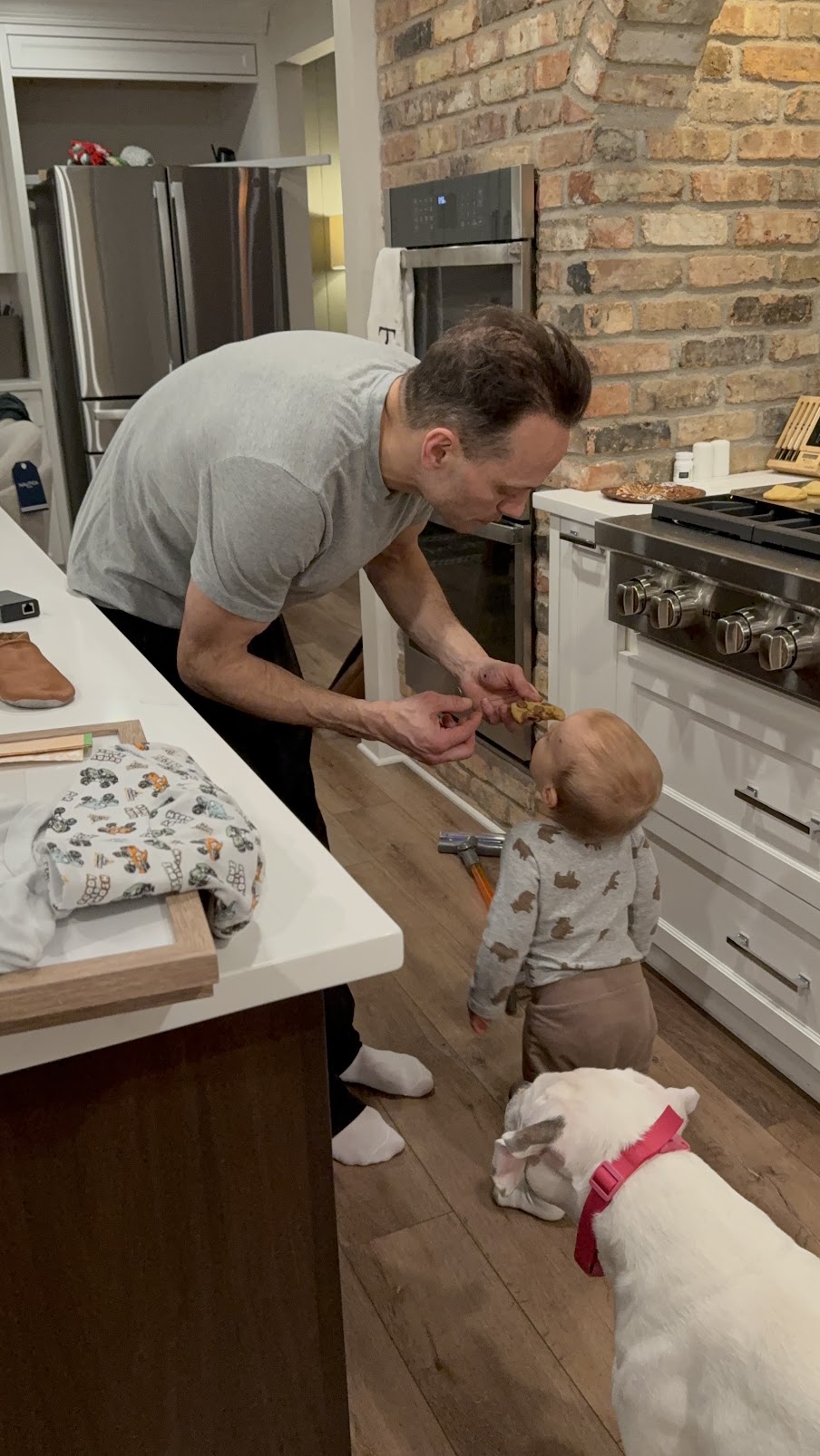
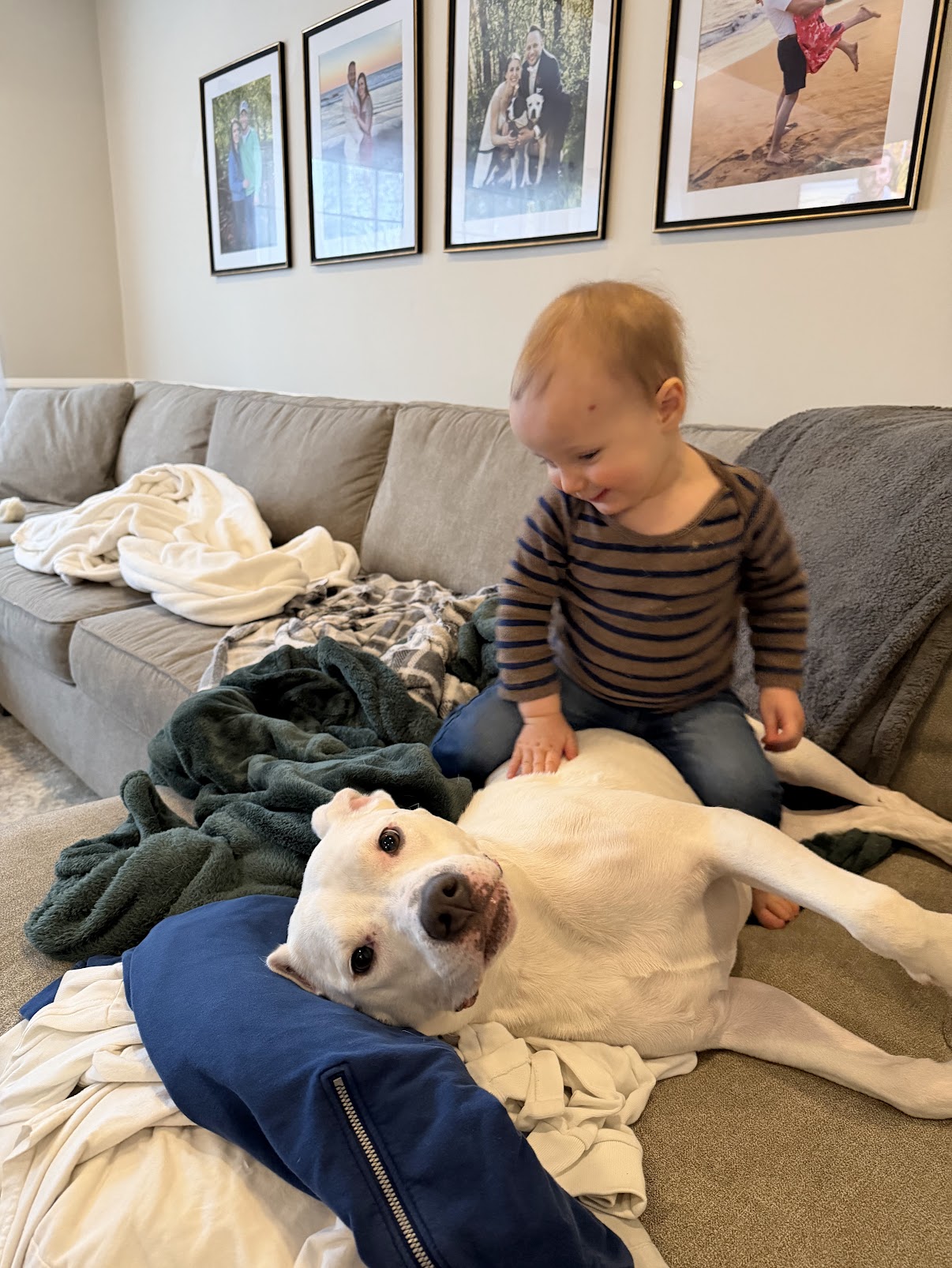
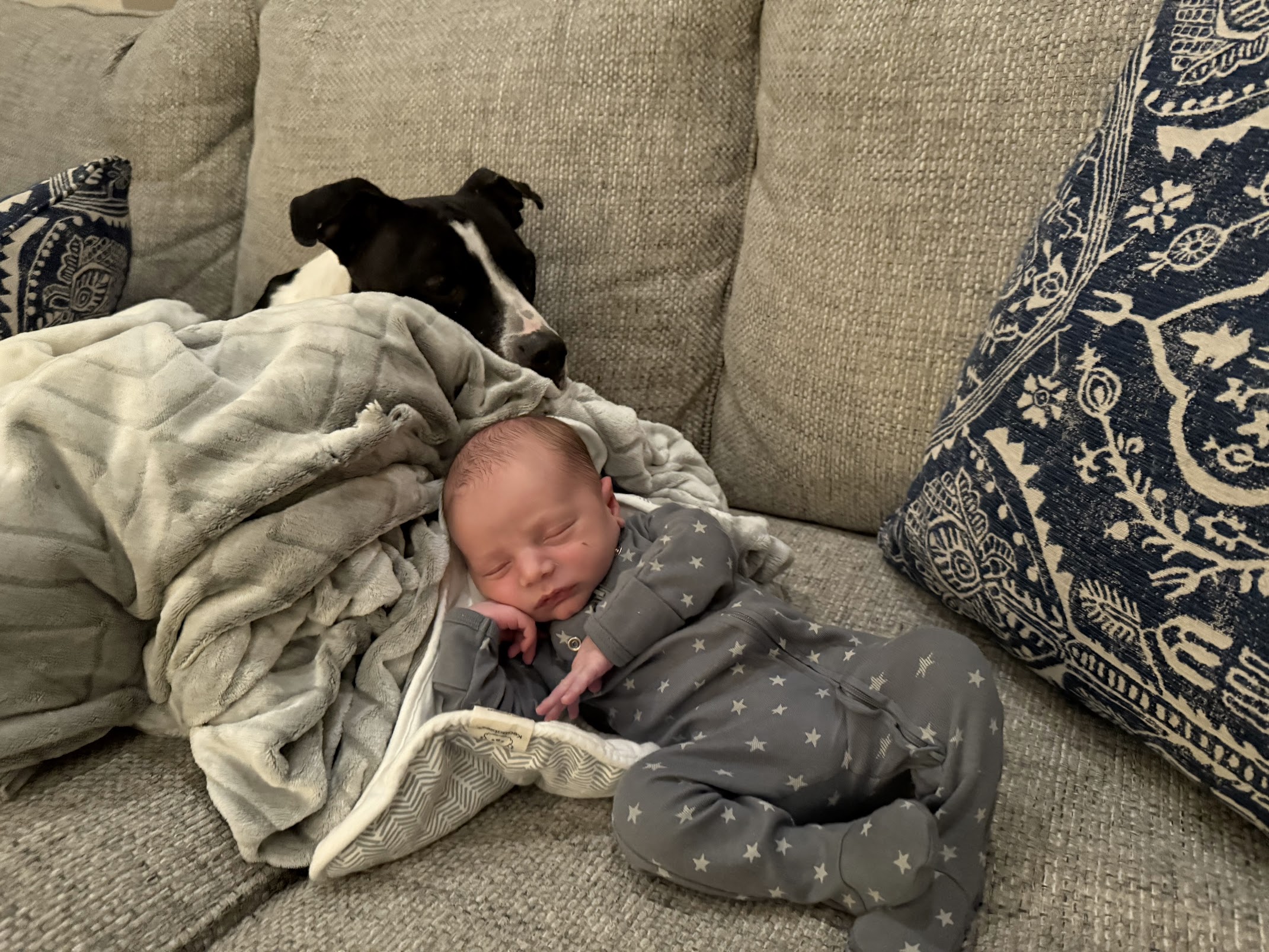
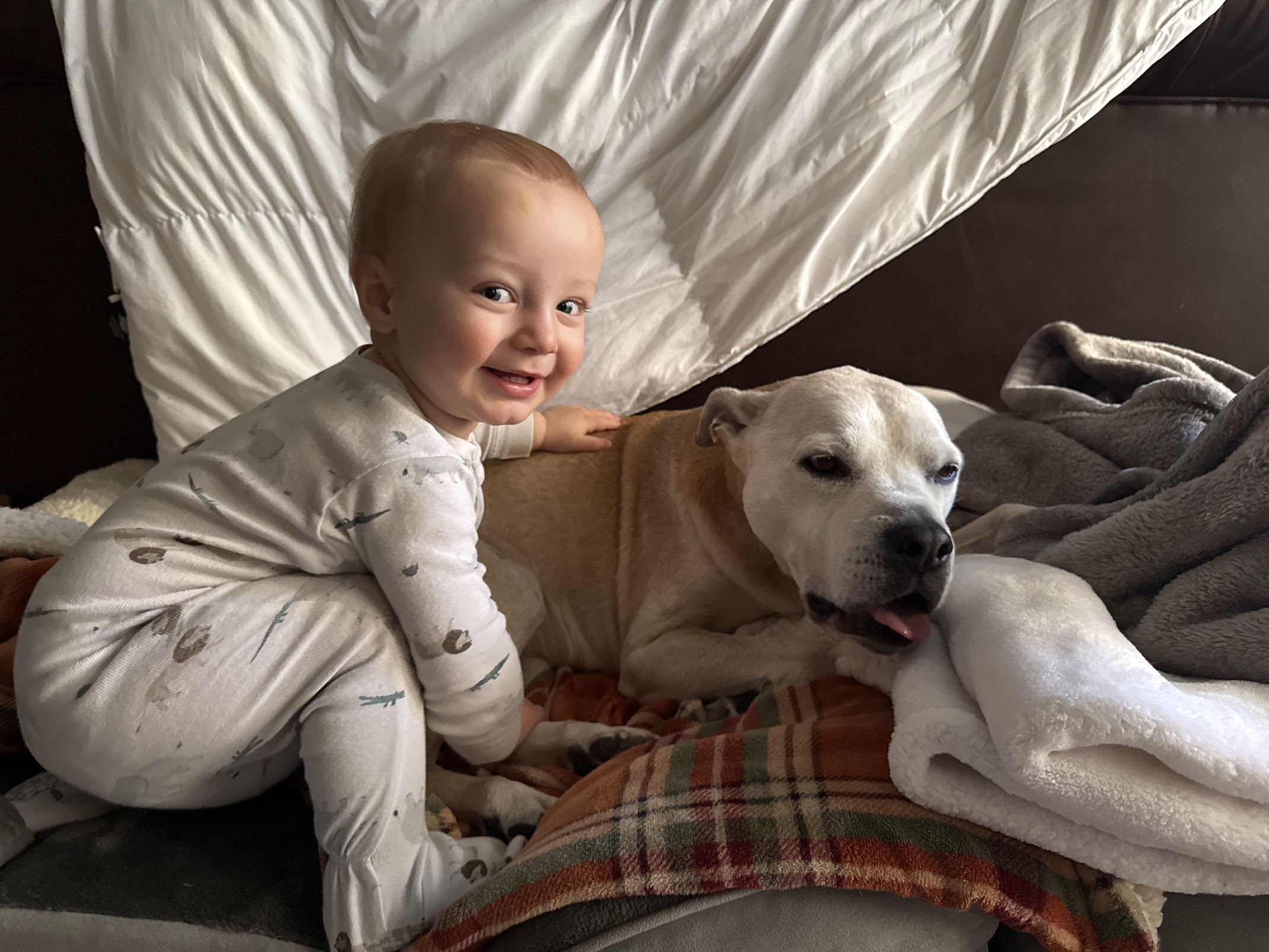
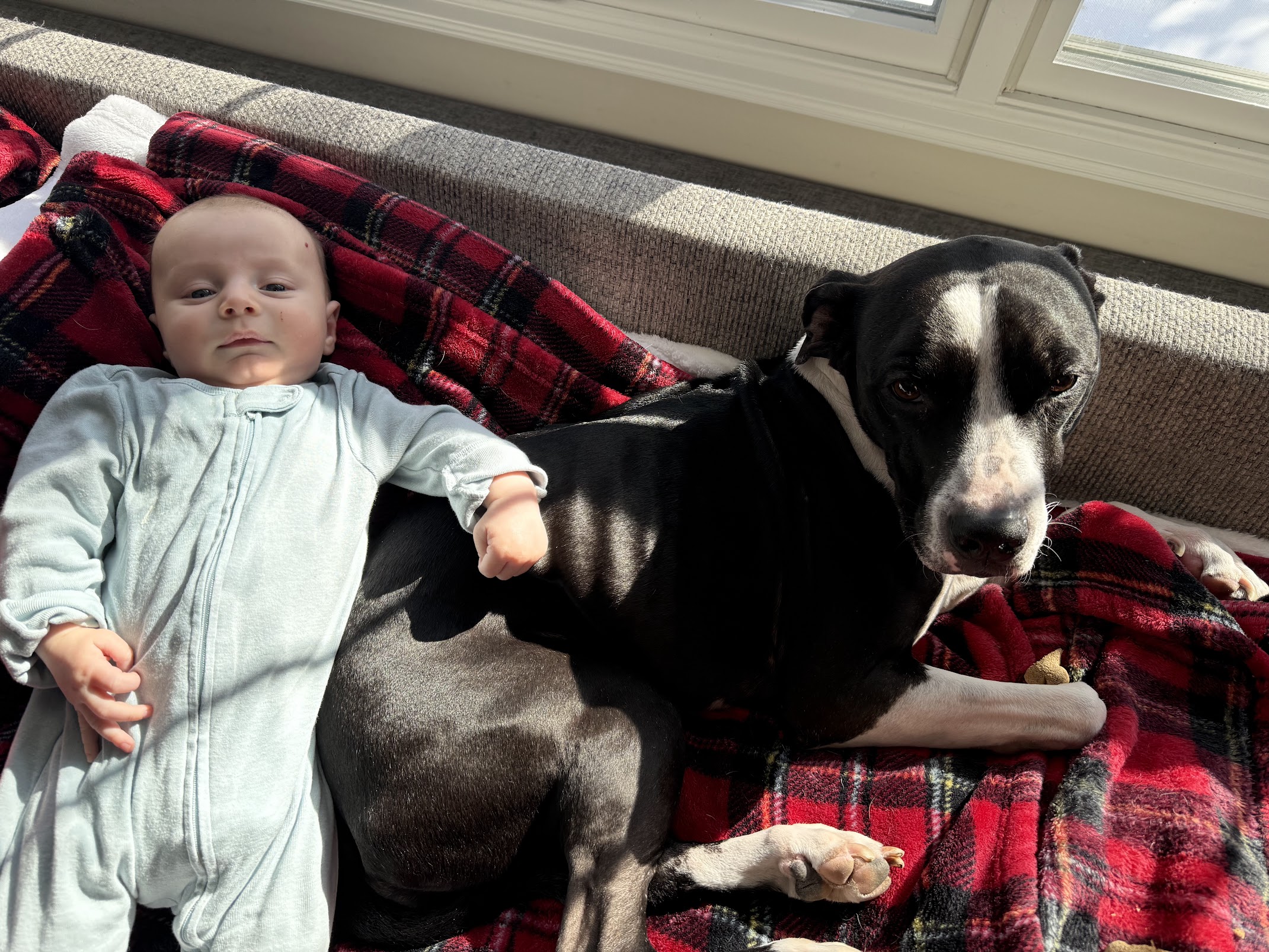
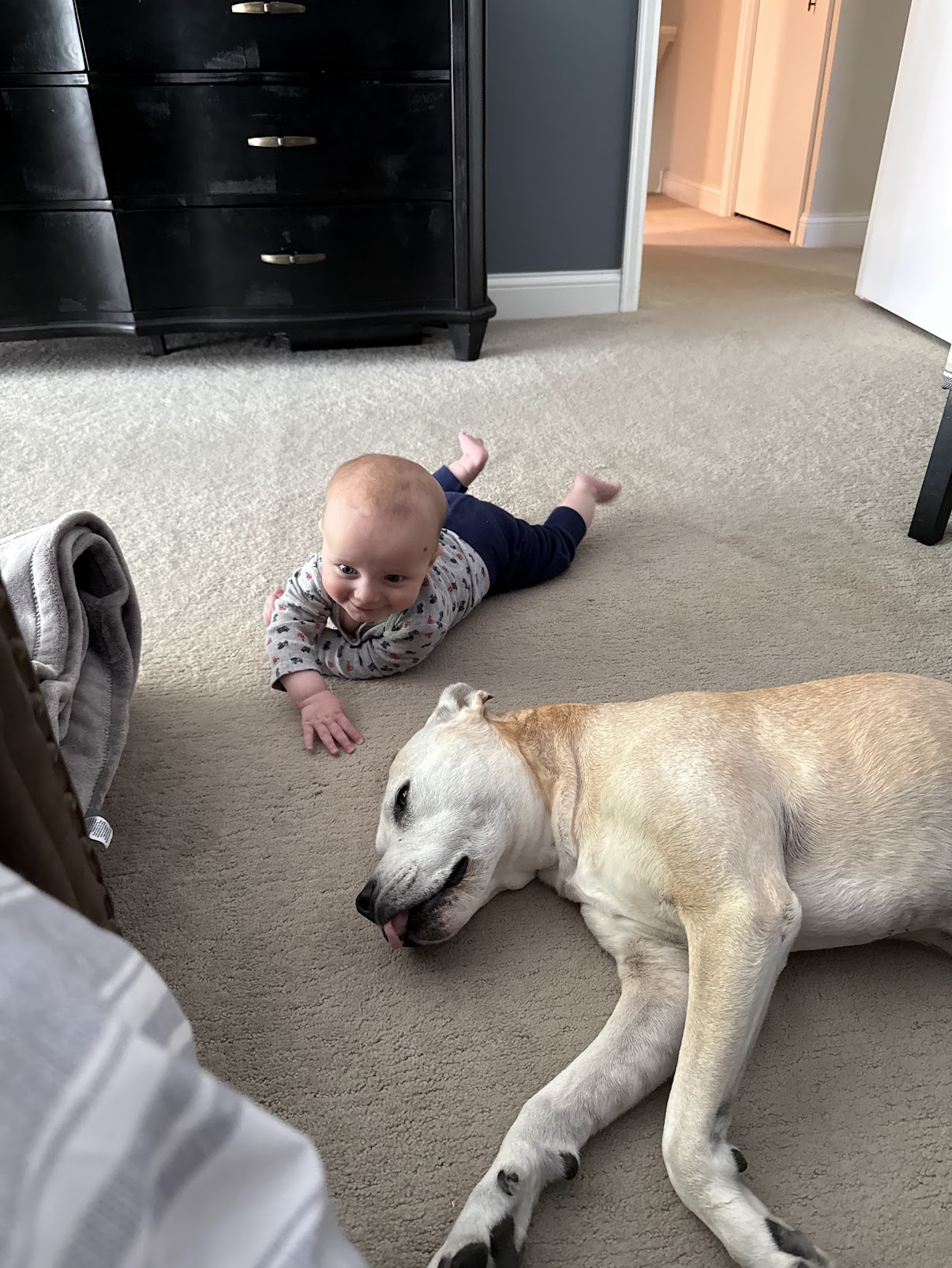
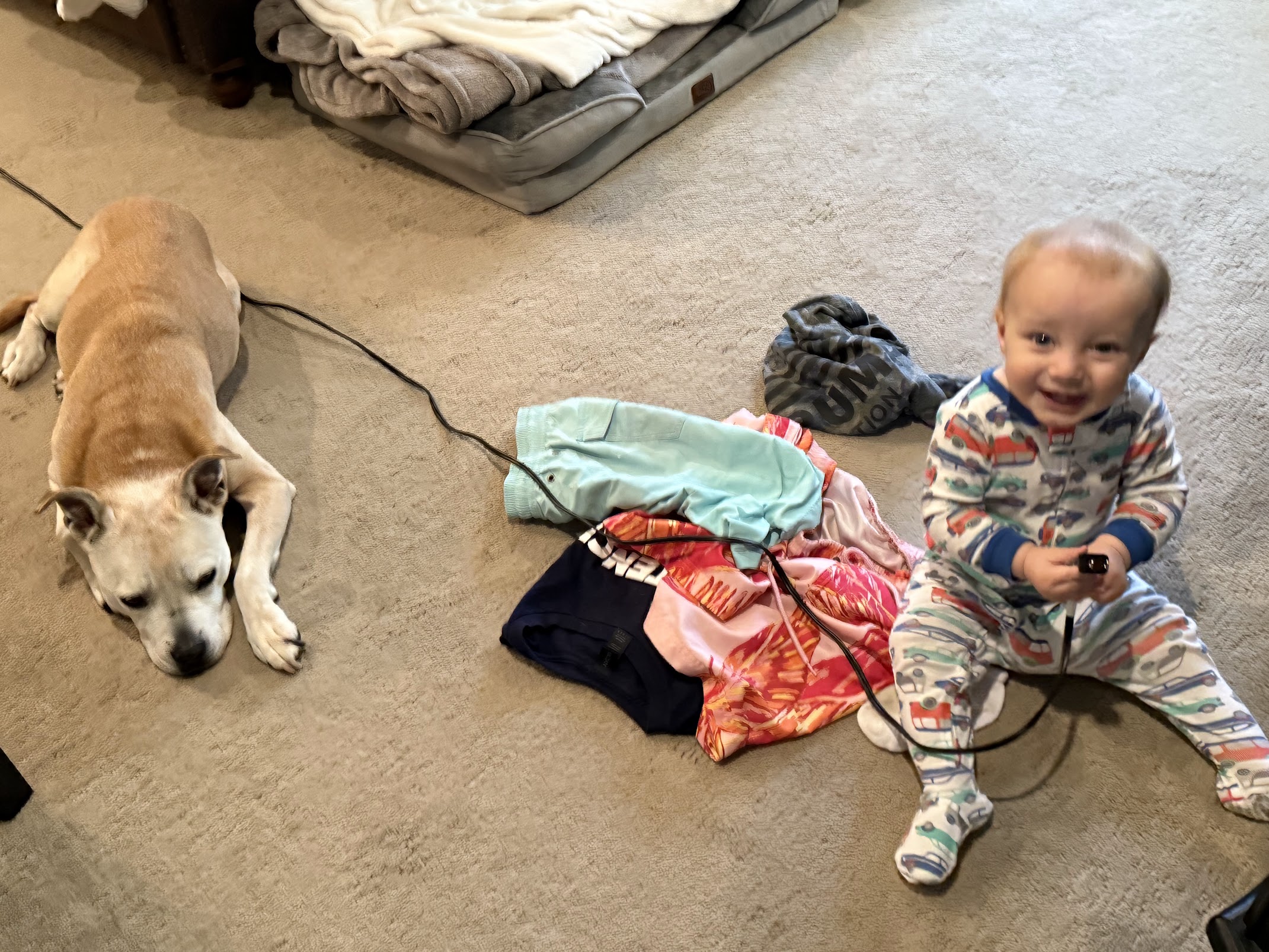
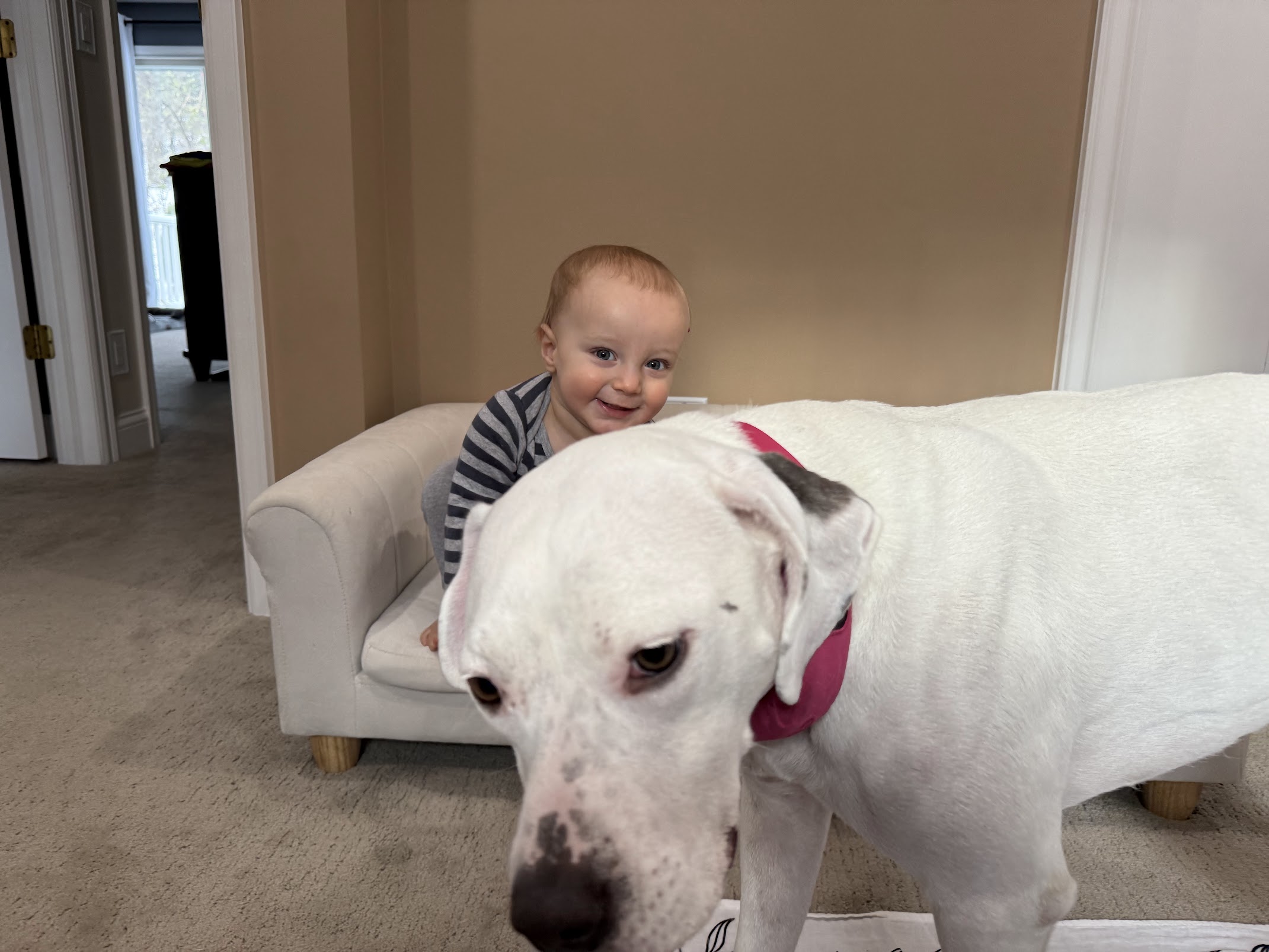
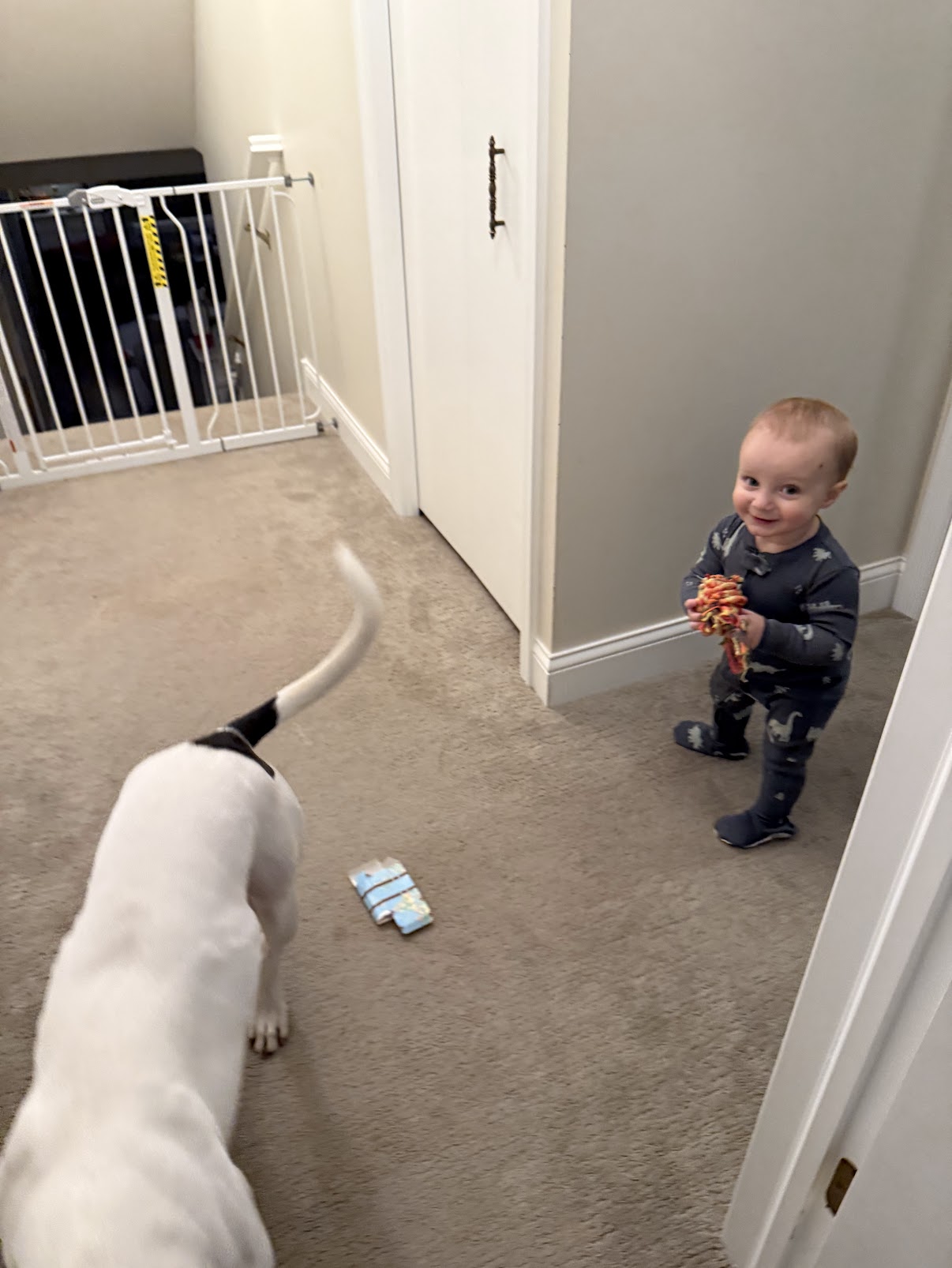
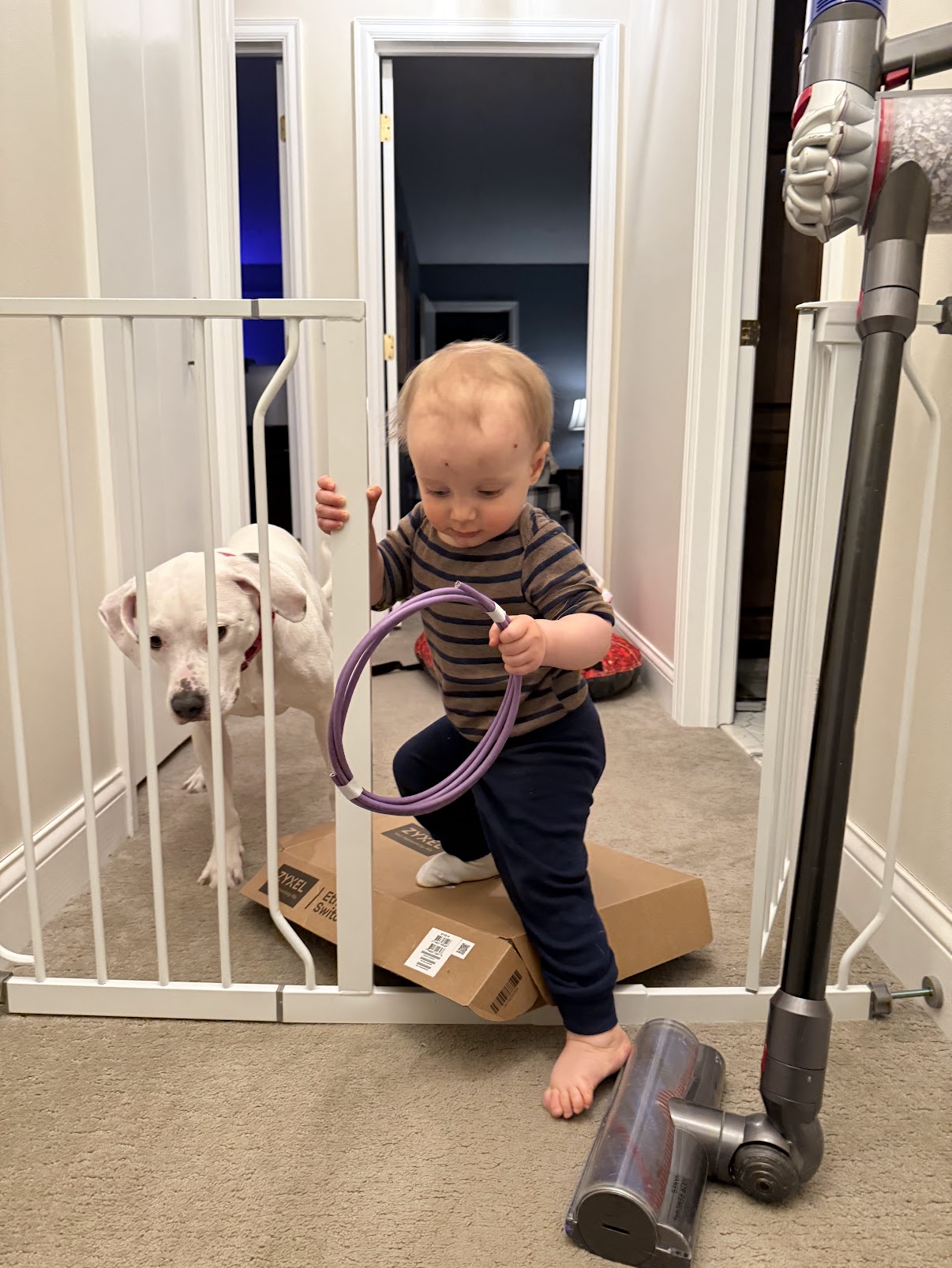
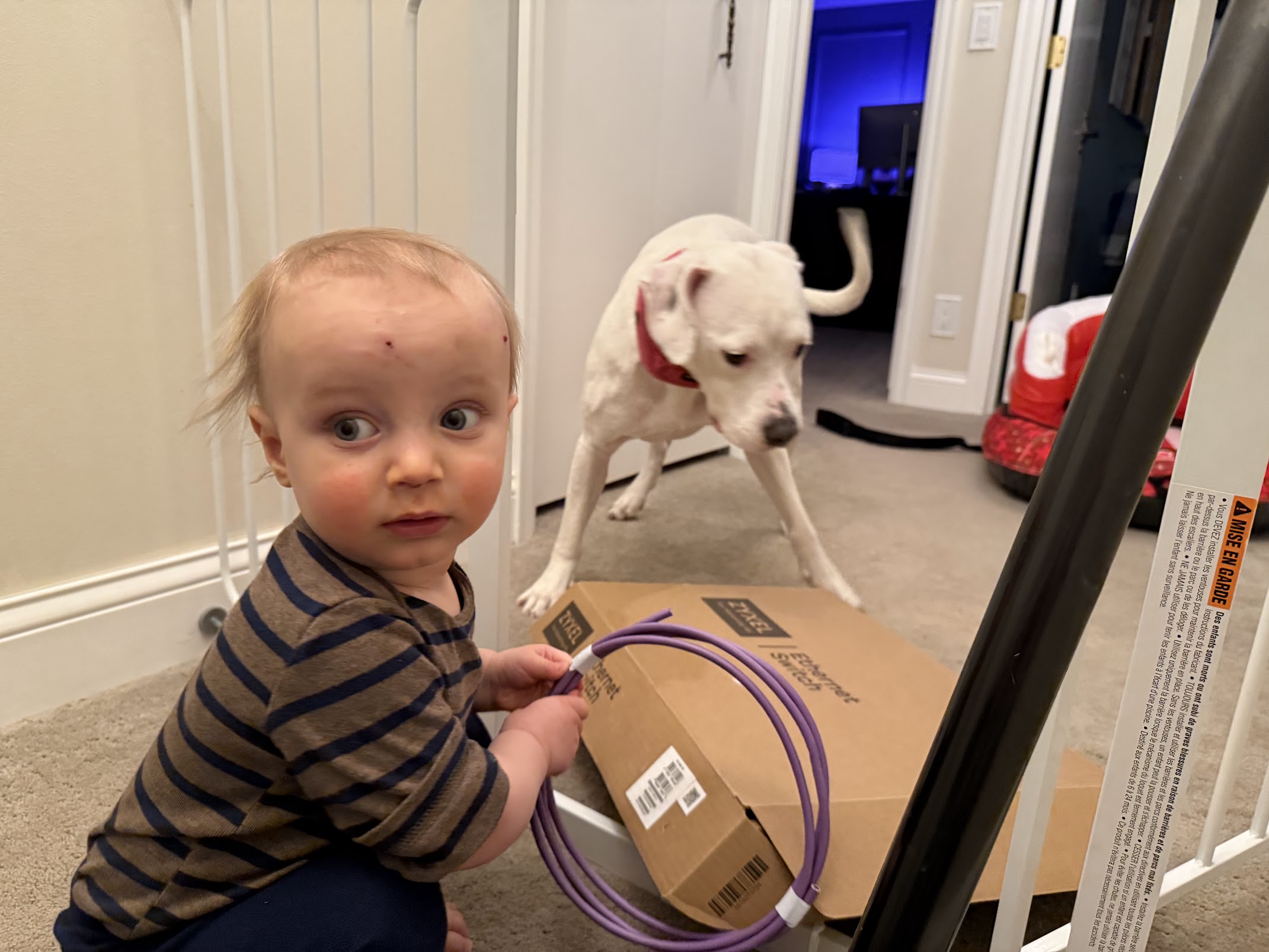
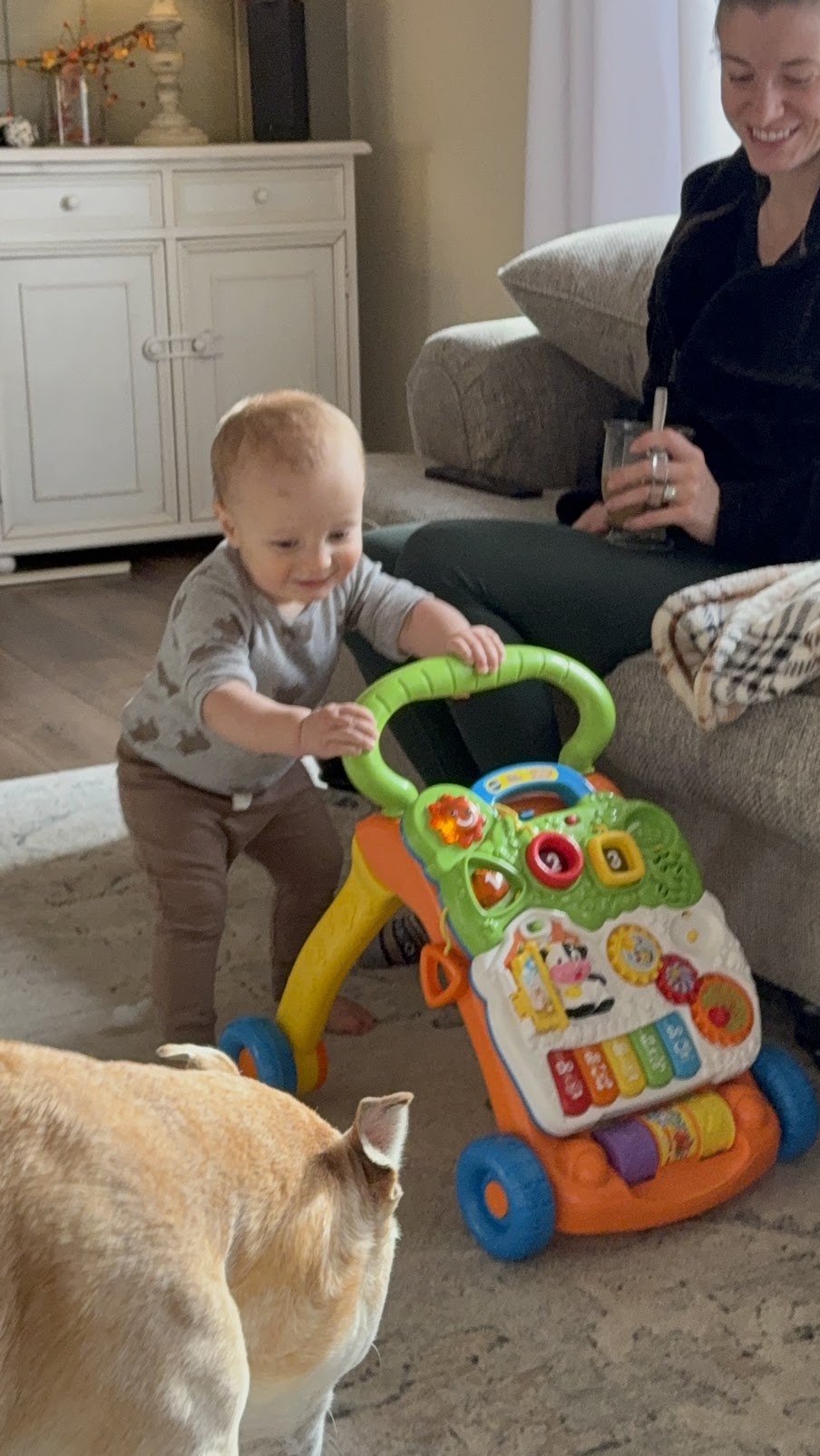
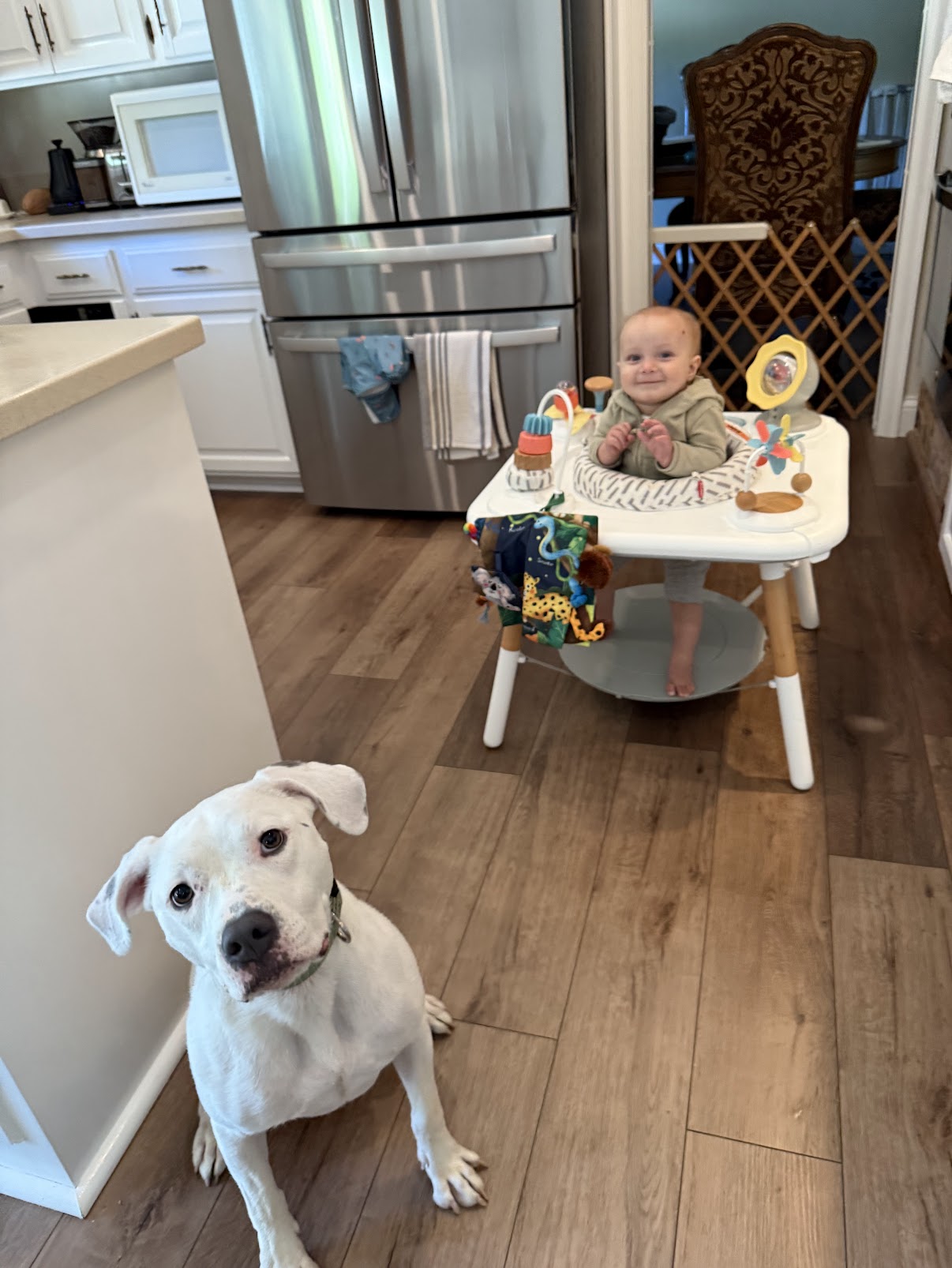
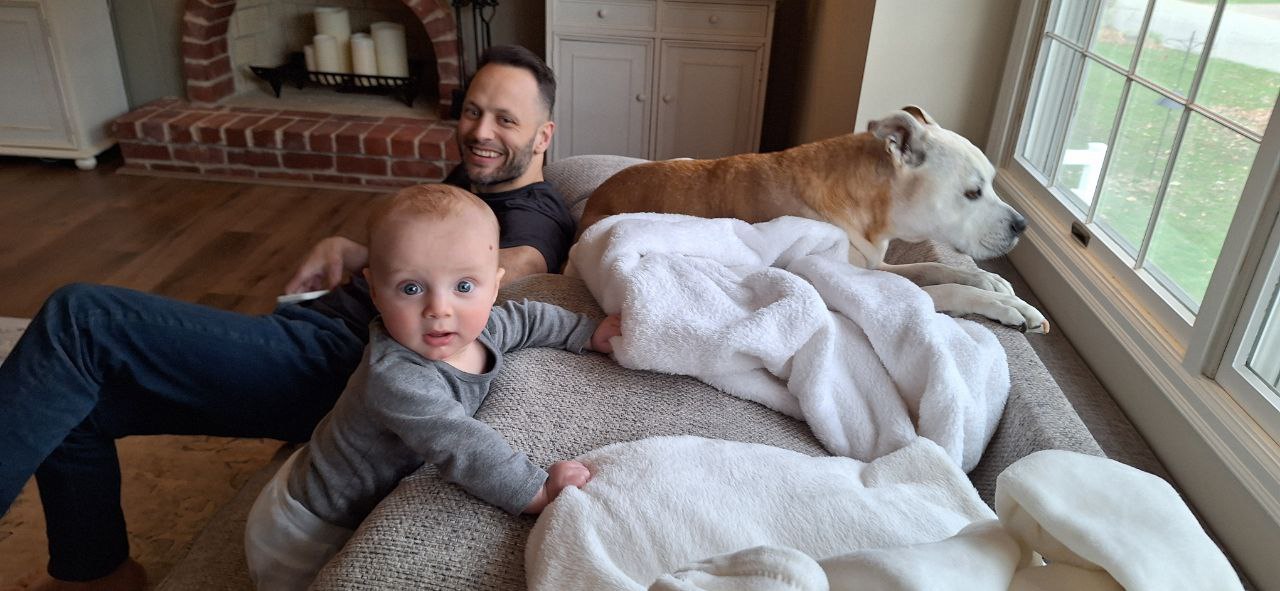
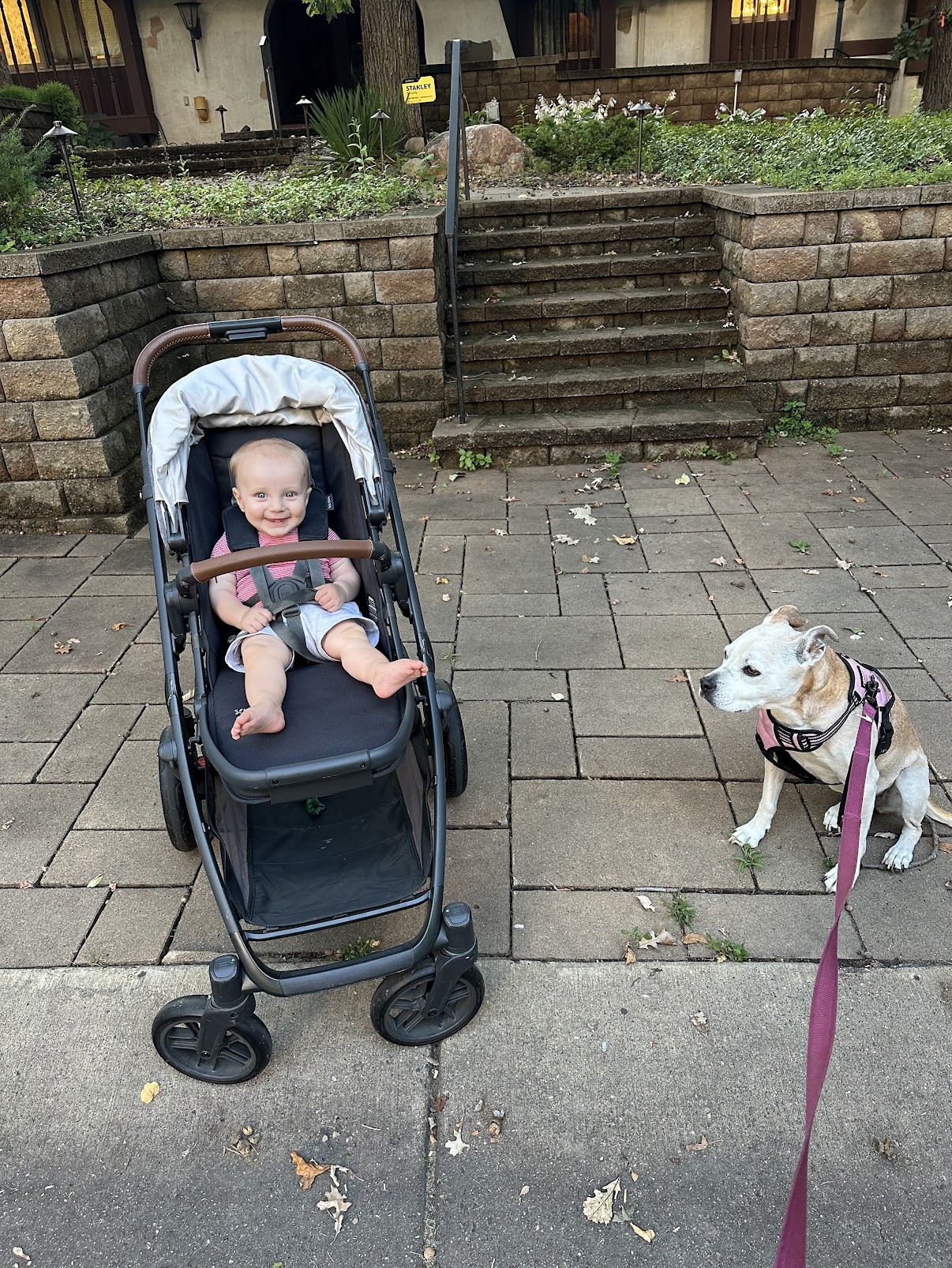
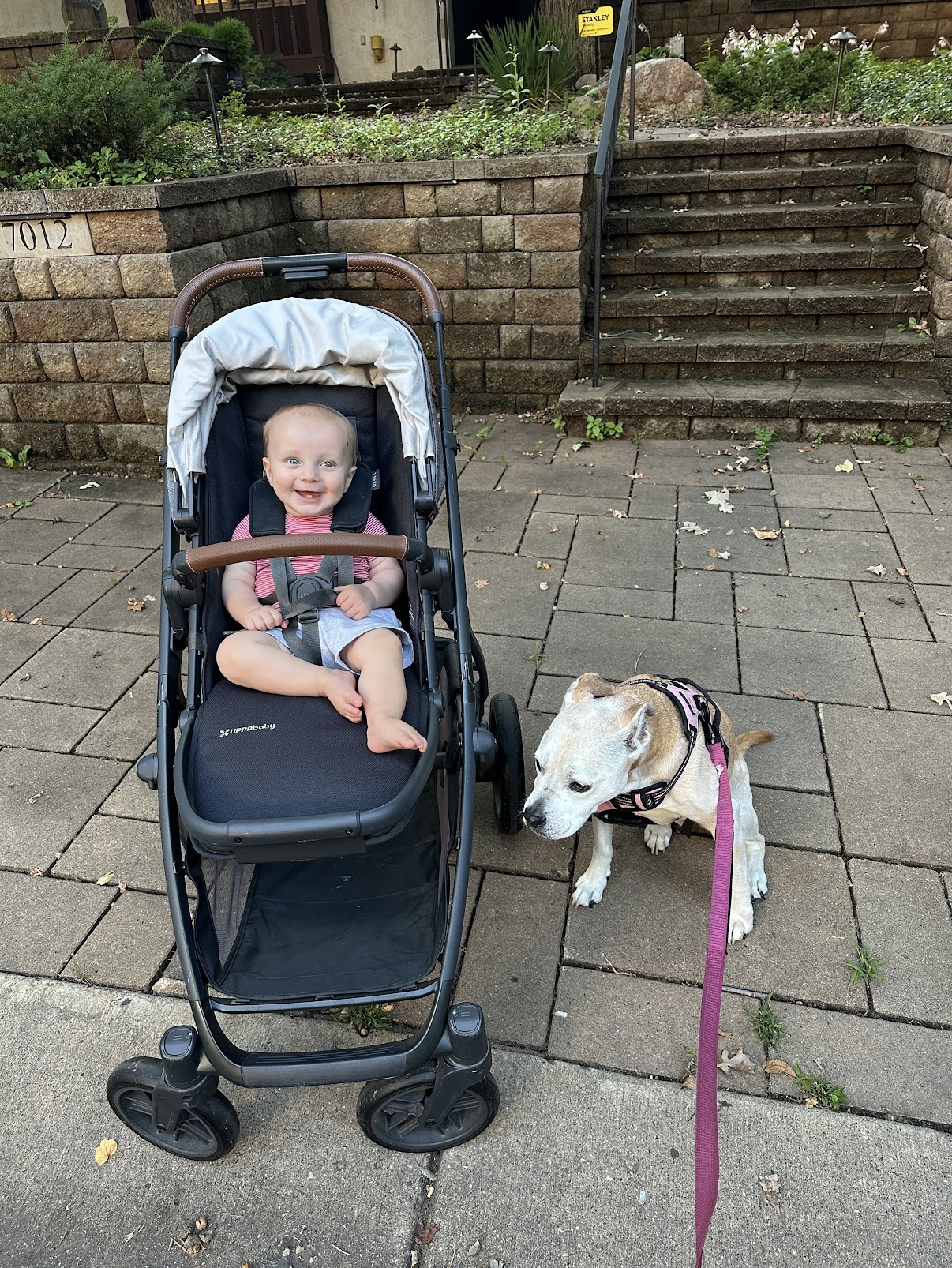
While the keyboard warriors share decade-old news articles and call for breed bans from the safety of their recliners, the pitbulls in this neighborhood are doing something radical: being dogs. Going on walks. Cuddling babies. Stealing couch cushions. Waiting with infinite patience for dropped Cheerios. Laying on the floor while a toddler climbs all over them with a level of tolerance most adults couldn't manage for thirty seconds.
Every photo in this article is real. Not stock images. Not staged. A real family, in a real neighborhood, with real pitbulls who have done nothing but love every single human they've ever met — from day one home from the hospital to the toddler years and beyond. These dogs sleep in the same bed as a baby. They walk the same streets you do. They sit in the same yards. And the only people who have ever had a problem with it are the ones who formed their opinions from cable news instead of experience.

If you made it here, you've already done more research on this topic than 95% of the people who hold strong opinions about pitbulls. You've seen peer-reviewed data from the AVMA, the CDC, the ATTS, and the University of Pennsylvania. You've been confronted with the media's financial incentive to lie to you. You've seen the demographic reality underneath the breed stigma. And you've seen 23 photographs of exactly what life with these dogs actually looks like.
Now you have a choice.
You can take this information and let it update your worldview — the way educated, intellectually honest people do when confronted with evidence that challenges their assumptions. Or you can close this tab, go back to your group text, and keep sharing fear-based clickbait because it's easier than admitting you were wrong about something you never actually researched in the first place.
The measure of intelligence is the ability to change. — Albert Einstein
The educated do their research. They read the AVMA position statements. They check the ATTS temperament data. They understand why the CDC abandoned breed-specific data collection. They examine the total failure of breed-specific legislation in every jurisdiction that's tried it. They look at the demographics. They follow the money. And then — only then — they form an opinion based on evidence.
The uneducated read a headline, feel scared, and mistake that fear for knowledge.
You just read the whole article. You have the data. What you do with it says everything about which category you belong to.
A family. Their dogs. Their life. Every single day — no headlines required.




Advertisement