
Community
Former Turkey Leg Hut owner sentenced to more than 8 years in federal arson case
By Lila Mendez
Advertisement · Why this ad?
Lila Mendez has spent over 15 years in local journalism, honing her skills at the Houston Chronicle and NPR’s Houston affiliate. A graduate of the University of Houston, she excels in connecting with the community and has a knack for unearthing stories that highlight the diverse voices of Houston's neighborhoods.
More from Lila →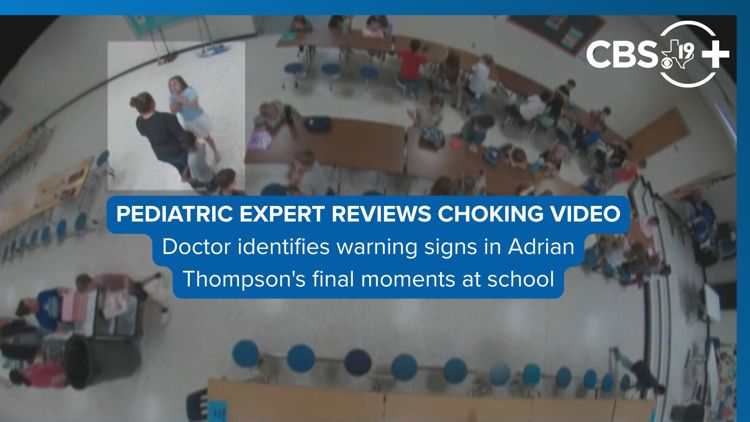
In a quiet suburban home in Houston, a mother’s laughter fills the air as her daughter plays with friends, the joy of childhood echoing through the halls. But in an instant, that laughter can turn into a nightmare. Just a few months ago, a Texas girl faced a choking emergency that ended tragically, leaving her family and community in shock. As they navigate the aftermath of this heartbreaking event, experts are stepping forward to shed light on the subtle warning signs of choking that often go unnoticed.
On a sunny afternoon in July, a vibrant young girl was playing with her friends when she suddenly began to choke. Despite being surrounded by adults who cared for her, the signs of distress were subtle and easily overlooked. Dr. Scott Hadland, a pediatric expert, emphasizes that the initial signs of choking can be deceptive, especially if a child is still able to make sounds or communicate. “Parents and caregivers need to be vigilant,” he warns. “The first signs of choking can be very subtle, and it’s crucial to recognize them before it’s too late.”
The tragic event has left a deep scar on the community, prompting discussions about child safety and awareness. Many parents, reflecting on their own experiences, have begun to share stories of similar close calls, emphasizing the importance of education around choking hazards. The little girl’s family, devastated by the loss, is now advocating for increased awareness and training on how to respond to choking emergencies.
Choking remains one of the leading causes of unintentional injury and death in young children. According to the Centers for Disease Control and Prevention, thousands of children are treated in emergency rooms each year due to choking incidents. Common culprits include small toys, food items, and even household objects that can easily slip into a child’s mouth.
Dr. Hadland highlights that many parents might not recognize the everyday items that pose a risk. “It’s not just about keeping an eye on children while they eat,” he explains. “It’s about understanding the environment they’re in and what they have access to.” Regularly assessing the safety of play areas and being aware of the potential choking hazards can make a significant difference.
In the midst of play, a child’s ability to communicate can mask the seriousness of a choking incident. Dr. Hadland points out that children may still be able to cough or make sounds even when they are in distress. This can lead adults to underestimate the situation. “If a child seems to be struggling, it’s important to act swiftly, even if they can still make noise,” he advises.
Parents and caregivers are encouraged to familiarize themselves with the signs of choking, which can include difficulty breathing, coughing, or a change in skin color. “Panic can set in quickly, but knowing what to look for can save a life,” Dr. Hadland states. Training in first aid and CPR can empower adults to respond effectively in emergencies.
The community has rallied around the grieving family, offering support and sharing their own experiences with choking incidents. Local schools and organizations are beginning to hold workshops aimed at educating parents and caregivers about choking hazards and emergency response. The Houston Independent School District has partnered with health professionals to create resources that will help families better understand how to keep their children safe.
“It’s heartwarming to see the community come together during such a difficult time,” says one local parent. “We all want to protect our children, and this tragedy has opened our eyes to the need for more education and awareness.” The outpouring of love and support for the family has been a testament to the strength of the community, as neighbors come together to ensure that such a tragedy does not happen again.
In addition to workshops, local businesses have also stepped up, offering free resources and materials to help families identify choking hazards in their homes. Grocery stores have begun to place informative flyers near children's food items, highlighting choking risks and providing tips for safe eating practices. This initiative not only raises awareness but also fosters a proactive approach to child safety within the community.
In the wake of this tragedy, there is a renewed focus on education and awareness surrounding choking prevention. Local health officials are advocating for more training sessions in schools and community centers, aiming to equip parents and caregivers with the knowledge they need. “We can’t prevent every accident, but we can certainly reduce the risk by being informed,” Dr. Hadland notes.
Workshops and seminars are being scheduled throughout the Houston area, where experts will provide hands-on training in first aid and choking response. The American Red Cross is also stepping in to offer resources and support for families, emphasizing the importance of preparedness in emergencies.
Moreover, local pediatricians are joining the effort by distributing pamphlets during routine check-ups, educating parents about choking risks specific to their child's age and developmental stage. This personalized approach ensures that families are not only aware of the dangers but also understand how to mitigate them effectively.
For families seeking additional information, numerous resources are available to help navigate choking hazards and emergency preparedness. The National Institute of Child Health and Human Development offers guidelines on how to prevent choking and respond effectively in emergencies. Additionally, local hospitals and health organizations frequently host workshops on first aid and CPR training.
Moreover, community centers throughout Houston are beginning to implement programs focused on child safety and injury prevention. These initiatives are vital in fostering a culture of awareness and preparedness that can ultimately save lives. The city is also exploring partnerships with local nonprofits to enhance outreach efforts, ensuring that vital information reaches all corners of the community.
The tragic choking incident that claimed the life of a young girl in Texas serves as a stark reminder of the importance of vigilance and education in protecting our children. As the community mourns, it is crucial to channel that grief into action. By educating ourselves and others about choking hazards, we can create a safer environment for our children.
Dr. Hadland’s insights serve as a powerful call to action for parents and caregivers everywhere. “Let’s turn this tragedy into a movement for change,” he urges. “Together, we can make a difference and ensure that no other family has to endure such heartache.” As we move forward, let us honor the memory of this young girl by committing to a future where every child can play safely and freely.
By Lila Mendez

By Lila Mendez

By Tasha Williams
By Lila Mendez